Whether I’m writing about the history of autopsies or working out the details of a new academic initiative, I’m always designing a better system– for myself or for faculty, staff, students, and organizational teams. I am the author of three monographs, the editor of multiple collections and journal special issues, and the creator of many programs across institutions and organizations. My past and current research ranges from experimental literature to popular culture to political theory to the history of science; all of my projects center ethnic studies, feminist, transnational, and interdisciplinary methods to consider how cultural forms can shape and shift our political imaginations. I love collaborating to solve entrenched problems and to strategize ways to ethically implement institutional transformation.
My research, teaching, and service center on not just who we include in our work, but how we can design better, more ethical systems for everyone.
Books
Inside the Body of Black Feminism: Science, Race, Culture
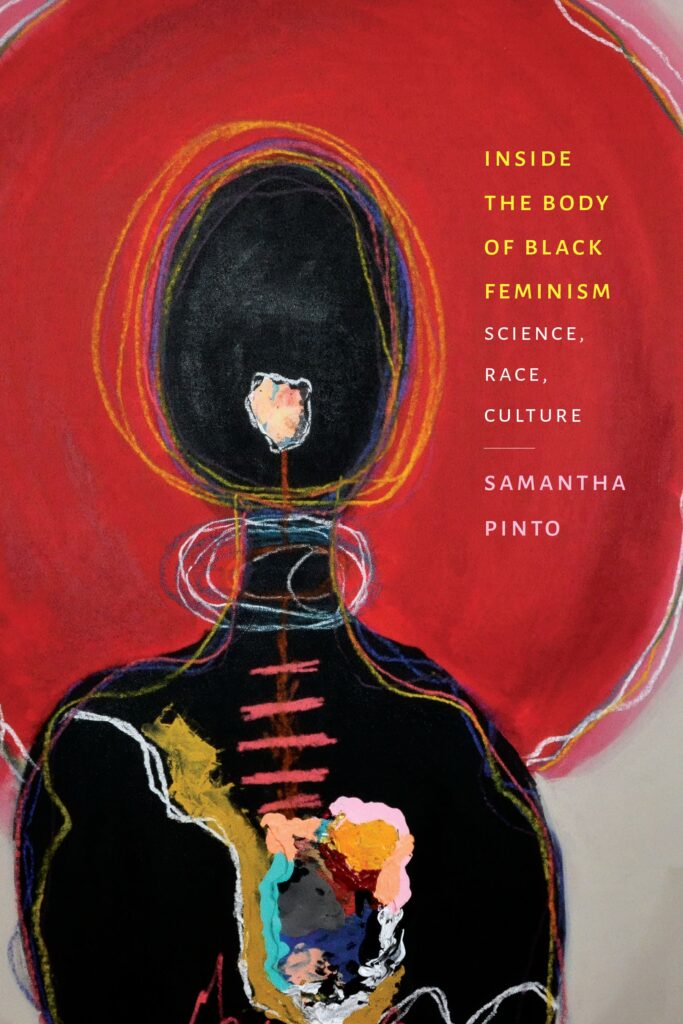
Inside the Body of Black Feminism charts a cultural genealogy of anti-racist & feminist engagement with some of the most objectified internal “parts” of racist medical and scientific inquiry: bones and blood, brains and hearts, wombs and guts. Counterintuitive to Black feminism’s necessary orientation to externalized representations of the body, I reinterpret the relationship between embodiment, health, and race through cultural archives that reimagine the inside of the Black body. I merge historical studies of medical racism with Black feminist theories of the body to argue for new metaphors and material for political subjectivity in the field. Working through materials that include medical textbooks, memoir, lyric poetry, data visualizations, museum displays, visual art, global histories of medicine, speculative fiction, horror films, health studies, and other genres, this book charts how a visually inaccessible corporeal interior becomes visible and racialized in the public sphere across national and historic boundaries.
Infamous Bodies: Early Black Women’s Celebrity and the Afterlives of Rights
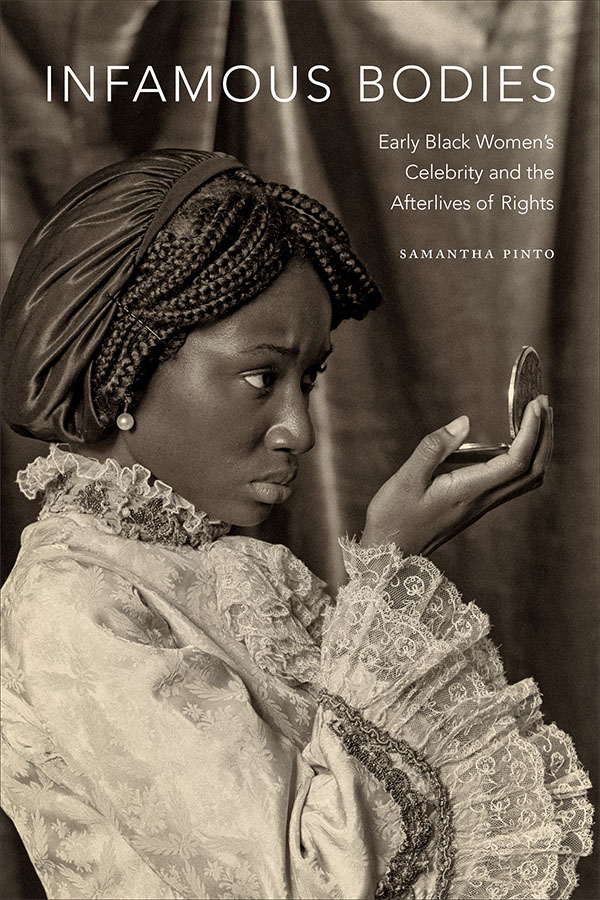
Infamous Bodies: Early Black Women’s Celebrity and the Afterlives of Rights (Duke University Press 2020) interrogates the cultural histories of Black women celebrities of the eighteenth and nineteenth centuries, including eighteenth-century poet Phillis Wheatley, Early American subject of scandal Sally Hemings, African performer Sarah Baartman, Jamaican nurse Mary Seacole, and royal Victorian ward Sarah Forbes Bonetta. I examine how key concepts of rights– freedom, consent, contract, citizenship, and sovereignty– are undone by the very range and experience of Black women’s embodiment. Infamous Bodies is at its core a call to read differently, and an argument that to read Black women’s “texts”—their cultural labor and production—is to necessarily renegotiate the concept of the political around embodied vulnerability.
Difficult Diasporas
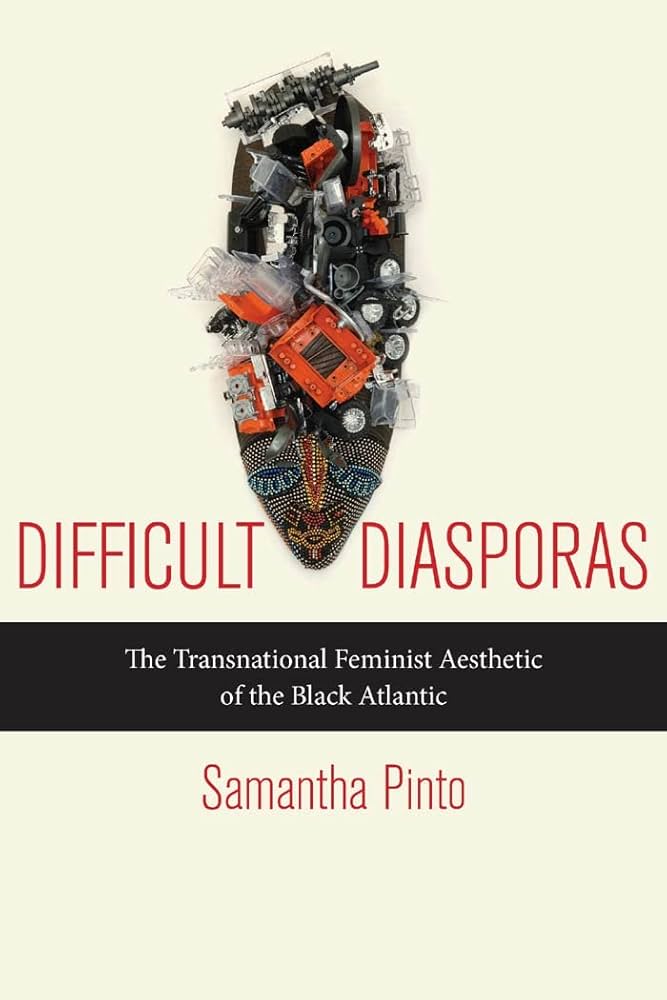
Difficult Diasporas: The Transnational Feminist Aesthetic of the Black Atlantic (NYU Press 2013, winner of the Modern Language Association’s William Sanders Scarborough Award), locates transformative possibility in the innovative literary aesthetics of African Diaspora women writers, arguing for the possibilities of literature to not just reflect what is already there but to produce and define the world differently through the creative and flexible use of language, form, and genre. It stages a conversation between African American Studies, Postcolonial Studies, and Transnational Feminist Studies about the intersecting futures of those fields, uncovering previously unmapped connections between national and global histories of Black women. Above all, it makes a forceful argument for the significance of culture in the formation of our political imaginations.